Cold Storage in India: 8,831 Facilities and a 48 Lakh MT Capacity Gap
Cold storage in India has grown to more than 8,800 facilities, yet the country still faces a significant capacity gap. That may sound contradictory until we look at what those facilities store, where they are located, and how cold-chain demand is changing.
As of 31 January 2026, India had around 8,831 cold storages with a combined capacity of approximately 402.87 lakh metric tonnes. At the same time, a 2025 impact evaluation cited by the Ministry of Food Processing Industries indicated a gap of approximately 48.03 lakh MT between existing and required capacity.
For cold room manufacturers, refrigeration contractors, PUF panel suppliers, equipment companies and service providers, that gap represents more than an infrastructure challenge. It represents a growing business market.
8,831
Cold Storage Facilities
402.87
Lakh MT Existing Capacity
48.03
Lakh MT Estimated Capacity Gap
How Much Cold Storage Capacity Does India Have?
Over the past decade, cold storage in India has expanded steadily. Government figures indicate that national capacity increased from roughly 318 lakh MT in 2014 to more than 400 lakh MT today.
But total capacity does not tell the complete story.
A banana ripening chamber has very different operating requirements from a seafood freezer. A potato cold storage does not operate like a dairy chiller, mushroom cold room or pharmaceutical storage facility. Each application may require different temperatures, humidity levels, insulation, airflow and refrigeration technology.
Key Point: India does not simply need more cold storage capacity. It needs the right type of cold-chain infrastructure in the right locations.
Why the Cold Storage Capacity Gap Exists
The shortage is not only about total tonnage. It is also about the location, product suitability and type of cold storage infrastructure available.
Cold storage capacity in India is concentrated heavily in selected states. Uttar Pradesh, West Bengal and Gujarat together account for a major share of the country's installed capacity, while much of the traditional infrastructure has historically been designed around commodities such as potatoes.
This can leave shortages in other areas and applications, including:
- Multi-commodity storage for fruits, vegetables, dairy and meat
- Cold rooms near farms, mandis and food-processing units
- Frozen storage for seafood, ice cream and ready-to-eat food
- Temperature-controlled facilities for pharmaceuticals and flowers
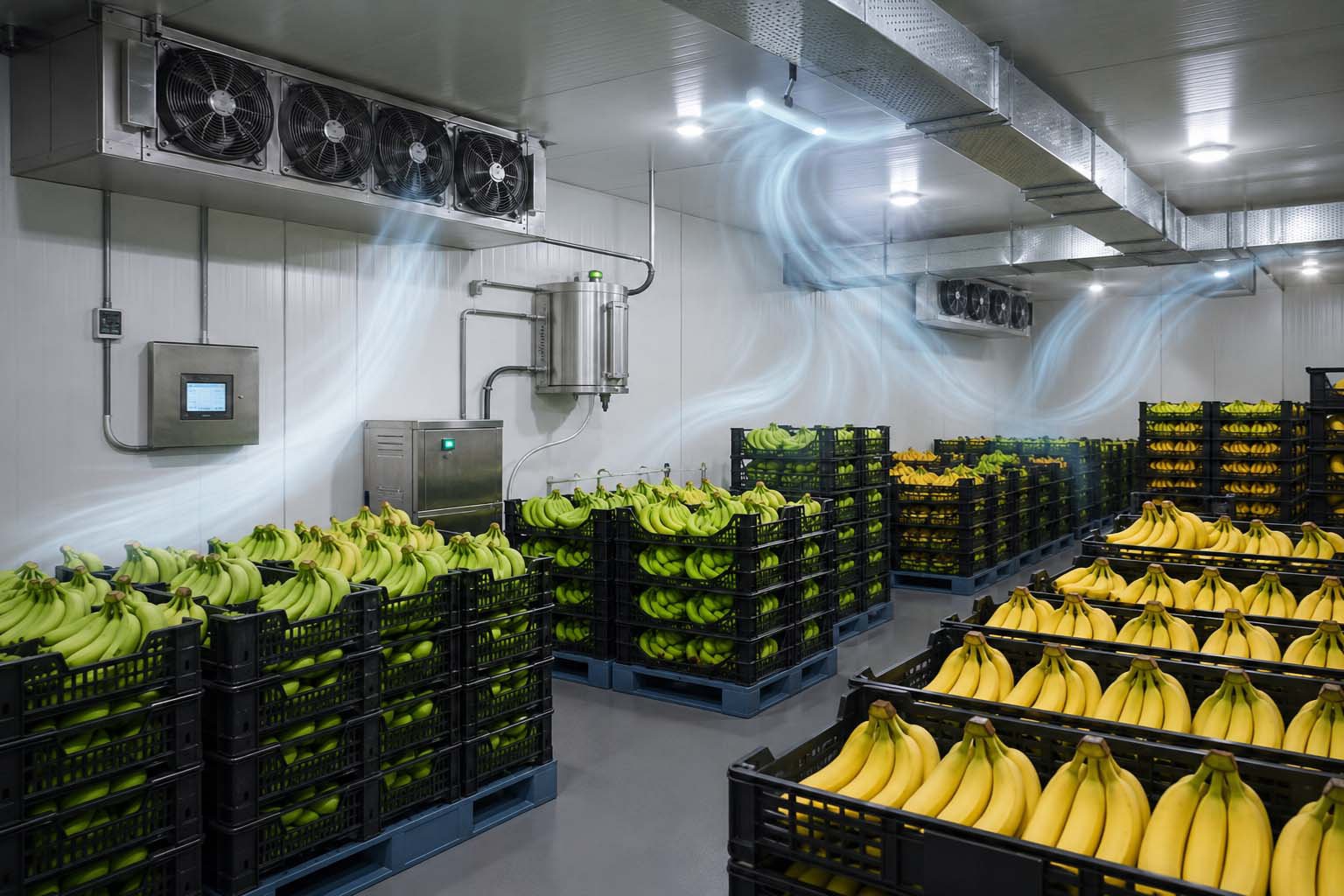
- Scientific fruit and banana ripening chambers
- Smaller commercial cold rooms near consumption centres
In other words, the opportunity in cold storage in India is increasingly about specialised facilities, decentralised infrastructure and efficient cold-chain connectivity.
What Is Driving Demand for Cold Storage in India?
One of the biggest drivers is the economic cost of product loss. A NABCONS assessment cited by the government estimated post-harvest losses of approximately 6.02% to 15.05% for fruits and 4.87% to 11.61% for vegetables.
Temperature-controlled infrastructure can help businesses maintain product quality between production, processing, storage, transportation and retail.
Other Demand Drivers Include:
- Growth in packaged and frozen foods
- Expansion of dairy processing
- Growth in seafood and meat processing
- Pharmaceutical and medical cold-chain requirements
- Increasing demand for fresh fruits and vegetables in cities
- Organised food retail and modern distribution
- Expansion of temperature-sensitive logistics
Importantly, many buyers do not require a massive warehouse. They may need a compact, reliable cold room designed specifically for their product and daily operating requirement.
From Capacity Gap to Business Opportunity
A capacity gap becomes commercially important when it starts creating new projects, upgrades and maintenance requirements.
Every cold room or cold storage project can create demand for:
- PUF and PIR insulated panels
- Compressors and condensing units
- Evaporators and air coolers
- Cold room and freezer doors
- Temperature controllers and sensors
- Cold-chain monitoring systems
- Copper piping and refrigeration accessories
- Walk-in freezers and blast freezers
- Fruit and banana ripening chambers
- Refrigerated vans and transport solutions
- Cold storage consultancy and project design
- Installation, repair and maintenance services
This means growth in cold storage in India can support manufacturers, distributors, refrigeration contractors, installers and local service technicians simultaneously.
The Opportunity Isn't Only in Big Projects
Not every company has to compete for large turnkey cold storage projects. A significant part of the market may come from smaller, local and specialised requirements.
- A vegetable trader may need a compact cold room near a wholesale market.
- A mushroom grower may require precise temperature and humidity control.
- An ice cream distributor may require frozen storage.
- A seafood company may need low-temperature freezing facilities.
- A banana trader may require a scientific ripening chamber.
The existing installed base also creates recurring work. Compressor repairs, refrigerant charging, PUF panel replacement, door repair, room expansion and annual maintenance can create continuing opportunities for regional refrigeration businesses.
Planning a new cold storage project?
Businesses can explore
Turnkey Cold Storage Projects
on Cold Room Bazaar to find relevant solution providers and project specialists.
Government Support for Cold Chain Development
The Government of India supports cold-chain infrastructure through the
Integrated Cold Chain and Value Addition Infrastructure Scheme
under the Ministry of Food Processing Industries.
The programme covers infrastructure such as cold storage, pre-cooling, blast freezing, packing facilities and refrigerated transportation.
According to information presented in the Lok Sabha in July 2026, 409 projects had been approved under the Cold Chain scheme as of 30 June 2026. Of these, 311 had been completed and operationalised, creating approximately 9.236 lakh MT of cold storage capacity.
While this represents only part of India's overall cold-chain network, the continuing development of such projects indicates the ongoing importance of temperature-controlled infrastructure to the food-processing ecosystem.
The Connection Gap Between Buyers and Suppliers
Building infrastructure is only one part of the challenge. Finding the right supplier, contractor or service provider is another.
A cold storage owner may urgently need a refrigeration technician. A buyer in Bihar may need an experienced cold room contractor. A PUF panel manufacturer may want projects in West Bengal, while a refrigeration business in Delhi may want installation opportunities across North India.
Many of these connections still depend on personal references, telephone calls and general online searches. As a result, genuine buyers and capable suppliers may struggle to discover each other at the right time.
How ColdRoomBazaar.com Helps
ColdRoomBazaar.com is a dedicated B2B platform for the cold room, cold storage, refrigeration and cold-chain industry.
The platform helps connect:
- Cold storage owners and project buyers
- Cold room manufacturers
- PUF panel manufacturers and suppliers
- Refrigeration equipment companies
- Installation contractors
- Repair and maintenance service providers
- Cold-chain consultants
- Ripening chamber solution providers
Suppliers can showcase their products and services while buyers can connect with businesses relevant to their project, location and technical requirements.
Explore Cold Room Bazaar:
Visit
ColdRoomBazaar.com
to discover cold-chain businesses, products, service providers and project solutions.
What the Next Phase of India's Cold Chain May Look Like
The next stage of cold storage in India may not be defined only by larger warehouses. It is likely to include more specialised and decentralised infrastructure.
- Smaller cold rooms closer to farms and markets
- Specialised chambers designed for individual products
- Improved PUF and PIR insulation
- More energy-efficient refrigeration systems
- Automation and remote temperature monitoring
- Improved refrigerated transportation
- Upgradation of older cold storage facilities
This means opportunities will come not only from new projects but also from repairing, upgrading and modernising India's existing cold-chain infrastructure.
Frequently Asked Questions
How many cold storages are there in India?
As of 31 January 2026, India had approximately 8,831 cold storage facilities with a combined capacity of around 402.87 lakh metric tonnes.
What is India's cold storage capacity gap?
A 2025 impact evaluation cited by the Ministry of Food Processing Industries estimated a gap of approximately 48.03 lakh MT between existing and required cold storage capacity.
Which businesses benefit from growth in cold storage?
Cold room manufacturers, PUF panel suppliers, refrigeration companies, equipment distributors, installers, maintenance providers, refrigerated transport businesses and consultants can all benefit from cold-chain expansion.
Is the opportunity limited to large cold storage projects?
No. Smaller cold rooms, freezer rooms, ripening chambers, refrigeration upgrades, repairs, maintenance and facility expansion can also create significant opportunities for regional businesses.
How can I find cold room suppliers or contractors in India?
Businesses can use ColdRoomBazaar.com to explore cold room manufacturers, refrigeration contractors, PUF panel suppliers and other cold-chain service providers based on their requirements.
Who Will Build India's Next Cold Chain?
India's cold storage network is already substantial, but the remaining capacity gap shows how much infrastructure still needs to be built, upgraded and maintained.
Someone has to manufacture the insulation panels, supply the refrigeration equipment, install the systems, maintain the compressors, upgrade older facilities and connect cold storage with refrigerated transportation.
As demand continues to diversify, the opportunity in cold storage in India extends well beyond traditional agricultural warehouses. It includes specialised cold rooms, frozen storage, ripening chambers, pharmaceutical cold-chain facilities, refrigerated logistics and technical service support.
Grow Your Business with Cold Room Bazaar
If your company works in cold storage, cold rooms, refrigeration, PUF panels, ripening chambers, installation, repair or cold-chain services, showcase your business where industry buyers can find you.
Visit ColdRoomBazaar.com
Call +91 786-0000-472

 24/09/2026, 4:35 pm




Comments 0